Color plays a powerful role in how food is perceived. A vibrant plate can instantly attract attention and enhance the dining experience even before the first bite. In recent years, food creators, chefs, and food photographers have started paying closer attention to unique color palettes that elevate visual appeal. One particular shade that has captured interest in modern culinary design is the delicate and calming tone known as gardenia blue. This unique color trend reflects the growing creativity in food presentation and the use of digital tools that analyze and classify food colors.
Food colors influence perception, mood, and even appetite. From bright desserts to creatively plated meals, color can shape how dishes are viewed and remembered. The purpose of this article is to explore the significance of color trends in food design, highlight the appeal of gardenia blue in culinary presentation, and explain how digital color platforms are helping creators better understand the visual side of food.
The Growing Fascination with Gardenia Blue in Food Presentation
In the world of modern culinary aesthetics, unusual colors often capture attention quickly. One such shade gaining recognition is gardenia blue, a soft yet striking tone that creates a sense of calm elegance in visual design. When used in food photography or dessert decoration, gardenia blue can provide a refreshing contrast to traditional warm tones often found in dishes.
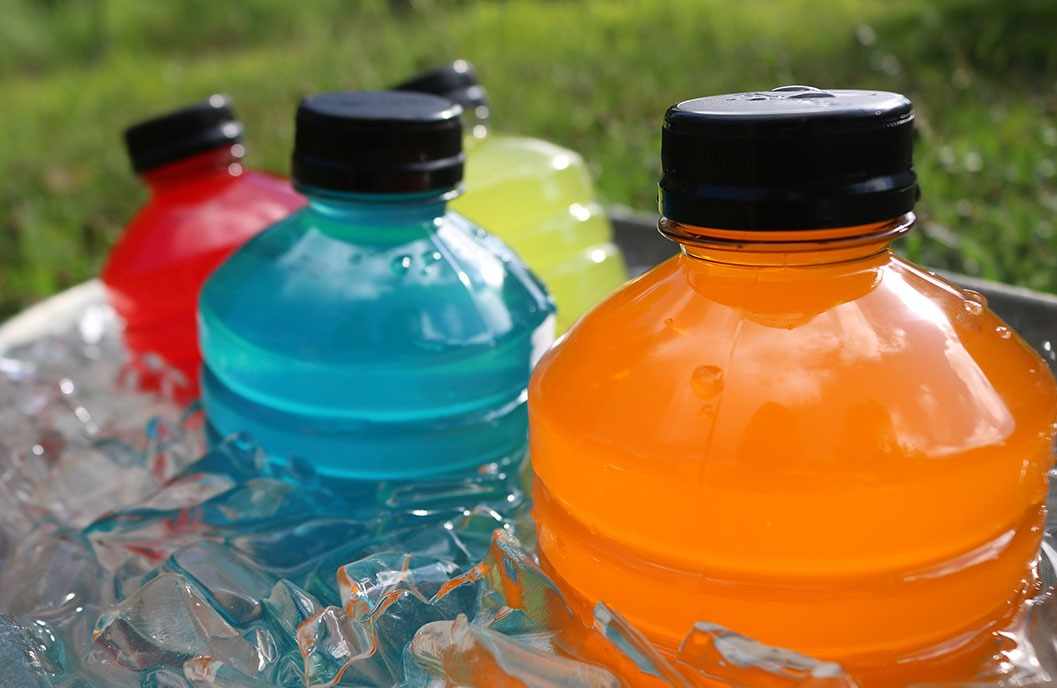
Food designers and bakers sometimes experiment with creative color palettes to give desserts or beverages a distinctive appearance. Soft blue tones can be seen in specialty cakes, decorative icing, beverages, and even artistic plating techniques. The color provides a sense of uniqueness because it is not traditionally associated with many natural foods.
The appeal of this color lies in its visual balance. Blue shades often communicate calmness and sophistication, making them attractive in modern culinary photography. When combined with neutral backgrounds or contrasting ingredients, this shade can create visually appealing food compositions that stand out on social media and digital platforms.
Why Color Matters in Culinary Creativity
Food presentation is often described as a blend of culinary skill and visual artistry. While taste remains the most important element of any dish, presentation has become an essential part of modern dining experiences. Restaurants, bakeries, and food creators recognize that attractive visuals can influence how dishes are perceived.
Color combinations in food presentation can highlight textures, shapes, and ingredients. Bright colors may create excitement and energy, while softer shades can create a refined and elegant appearance. This is why chefs and food stylists carefully choose ingredients and garnishes that contribute to a balanced color composition.
The increasing popularity of food photography on social media has further strengthened the role of color in culinary presentation. Visually appealing dishes are more likely to capture attention and encourage engagement. As a result, food creators continue to experiment with creative palettes to make dishes visually memorable.
Digital Tools and the Science of Food Colors
Advancements in digital technology have introduced new ways to analyze and classify food colors. Digital platforms can examine the color composition of food images and categorize them into specific color ranges. These tools are valuable for designers, photographers, and culinary professionals who want to understand how color affects visual perception.
By studying food color data, creators can develop more balanced and visually appealing designs. Color analysis tools allow professionals to identify dominant tones in food photography and experiment with new palettes.
Such digital approaches also help standardize color references, making it easier for creators to communicate visual concepts when designing menus, packaging, or promotional images. The combination of culinary creativity and digital color analysis continues to shape the future of food presentation.
The Role of Food Color Platforms in Creative Exploration
Modern digital resources are making it easier for designers and food enthusiasts to explore color palettes related to food imagery. Platforms dedicated to food color analysis provide tools that allow users to identify specific shades and understand how they interact with other colors.
One example of this growing field includes platforms associated with Foodrgb, which focus on organizing and analyzing color data related to food photography. Through such resources, creators can study how different colors appear in food images and explore combinations that enhance visual appeal.
The use of tools connected with Foodrgb helps designers, photographers, and culinary professionals gain deeper insight into food aesthetics. By examining color relationships, creators can develop presentations that feel balanced and visually engaging.
This approach encourages creativity while also introducing a structured method for studying food design. As a result, color-focused platforms are becoming increasingly valuable in the culinary and digital design industries.
Future Trends in Food Color Design
Food color experimentation is expected to continue evolving as culinary art becomes more connected with digital creativity. Chefs, bakers, and designers are exploring new ingredients, natural color sources, and digital visualization tools to create distinctive food presentations.
Soft and unconventional shades may become more common in desserts and beverages as creators search for ways to stand out in competitive culinary environments. Food photography will also continue to play a major role in shaping these trends, as visually appealing images influence both consumer preferences and social media engagement.
Digital platforms will likely expand their capabilities, providing more advanced tools for analyzing and organizing food color palettes. This combination of culinary creativity and technology will continue to shape how food is designed, photographed, and presented.
Conclusion
Color has become an essential element in modern food design, influencing how dishes are perceived and appreciated. Unique shades such as gardenia blue highlight the creative possibilities that emerge when culinary art meets visual design. The exploration of unusual color palettes encourages chefs, designers, and photographers to experiment with new approaches to food presentation.
Digital tools and color analysis platforms are also helping professionals better understand the relationship between food and color. Resources related to Foodrgb provide valuable insights into how colors appear in food imagery and how they can be combined effectively. Additional information about food color exploration can also be found on foodrgb.com, which offers insights into color classification in culinary visuals. As creativity and technology continue to merge, the role of color in food design will remain an exciting and evolving aspect of the culinary world.


Write a comment ...